
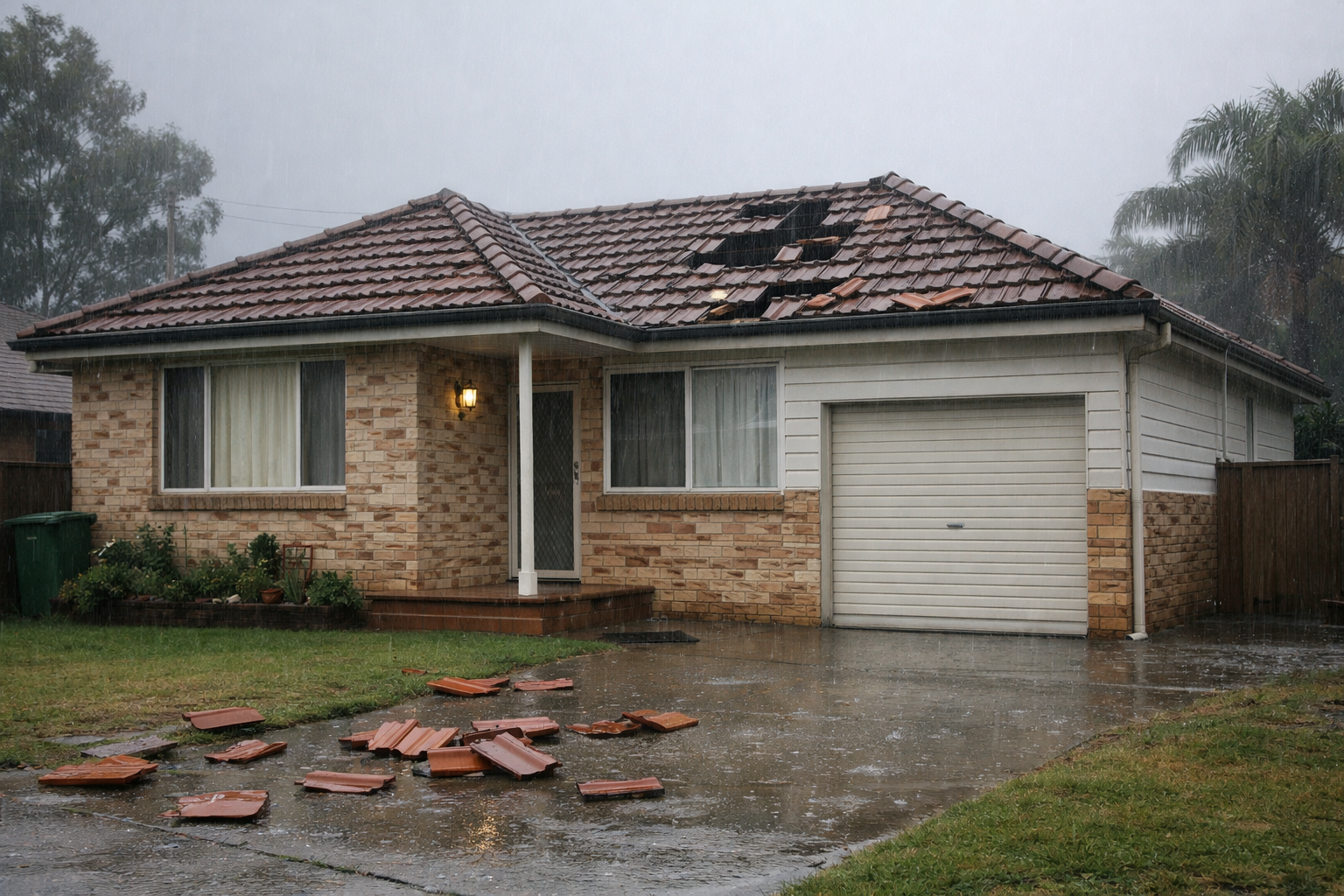
A strong Sydney storm can hit when you least expect it, and when your roof starts leaking, it can quickly become a roof repair emergency! Even without a serious storm, ageing roofs can suddenly cause big problems. When you are facing storm damage, leaks and sagging roof sections, keeping water out of your home and everyone safe is a priority.
But when a roof emergency strikes, there is no need to panic! Having a clear plan can help you successfully navigate emergency roof repairs in Sydney. In this guide, I will show you what actually counts as a roof emergency, what to do first, when to call the pros, and how to avoid the same problems in the future!
What Counts as a Roof Emergency?
A roof emergency is anything that lets water in, puts the structure at risk, or could become dangerous fast. Homeowners in Sydney see a lot of storms, strong winds, and sudden heavy rain that can hit with little warning. But it’s not always extreme weather that is the culprit! Ageing roofs are another cause of Sydney roof emergencies. Older tiles, ridge caps, flashing, and sealants can crack, lift, or corrode over time and fail when the weather turns.
Here is what counts as an emergency:
Active leaks during rain
If water is coming in right now, it can soak insulation, damage ceilings and electrical systems, and cause mould to grow quickly.
Missing or broken tiles
Even one gap can funnel water into the roof space, and loose tiles can become a safety hazard in high winds.
Storm or wind damage
Lifted flashing, displaced sheets, and fallen branches can create hidden openings that get worse with every gust.
Sagging sections or visible structural issues
Any dip, bowing, or cracking can signal compromised timbers or water load, and that can escalate to serious structural damage.
If you have any of these problems, you need immediate attention from a Sydney emergency roof repairs team! The longer water and wind have access to your roof, the more expensive the repair becomes, and the higher the risk to your home and everyone inside.
What Should You Do First in A Roof Emergency?
In a roof emergency, your primary goal should always be to keep people safe. Then you can limit the damage! Start by avoiding anything risky. If water is coming through near lights, power points, or ceiling fans, you should switch off the electricity to that area at the switchboard if you can do it safely, and keep everyone clear of wet flooring to avoid slips.
Next, you can try to minimise internal water damage to your home. Put buckets or tubs under active drips, and add towels to catch splashes. If the leak is spreading, a plastic sheet can help guide water into a container. Move your furniture, rugs, electronics, and any valuable items out of the affected area. If water is pooling on the ceiling, do not poke holes in it! A bulging ceiling can collapse and needs professional Sydney roof repairs.
Do not climb onto the roof, even if it looks like a quick fix! Wet tiles, metal roofing, and windy conditions are a serious fall risk, and you can easily make the damage worse by cracking tiles or shifting sheets. Working at heights is serious and should only be carried out by professionals who know what they are doing.
Finally, document everything for insurance purposes! Take clear photos and videos of the roof (from the ground), the leak, and any interior damage. Don’t forget to note the time, date, and weather conditions, and keep receipts for any emergency measures. Then call an emergency Sydney roof repair team to make it safe and stop the water from getting in!
Why Does Delaying Emergency Roof Repairs Cost More?
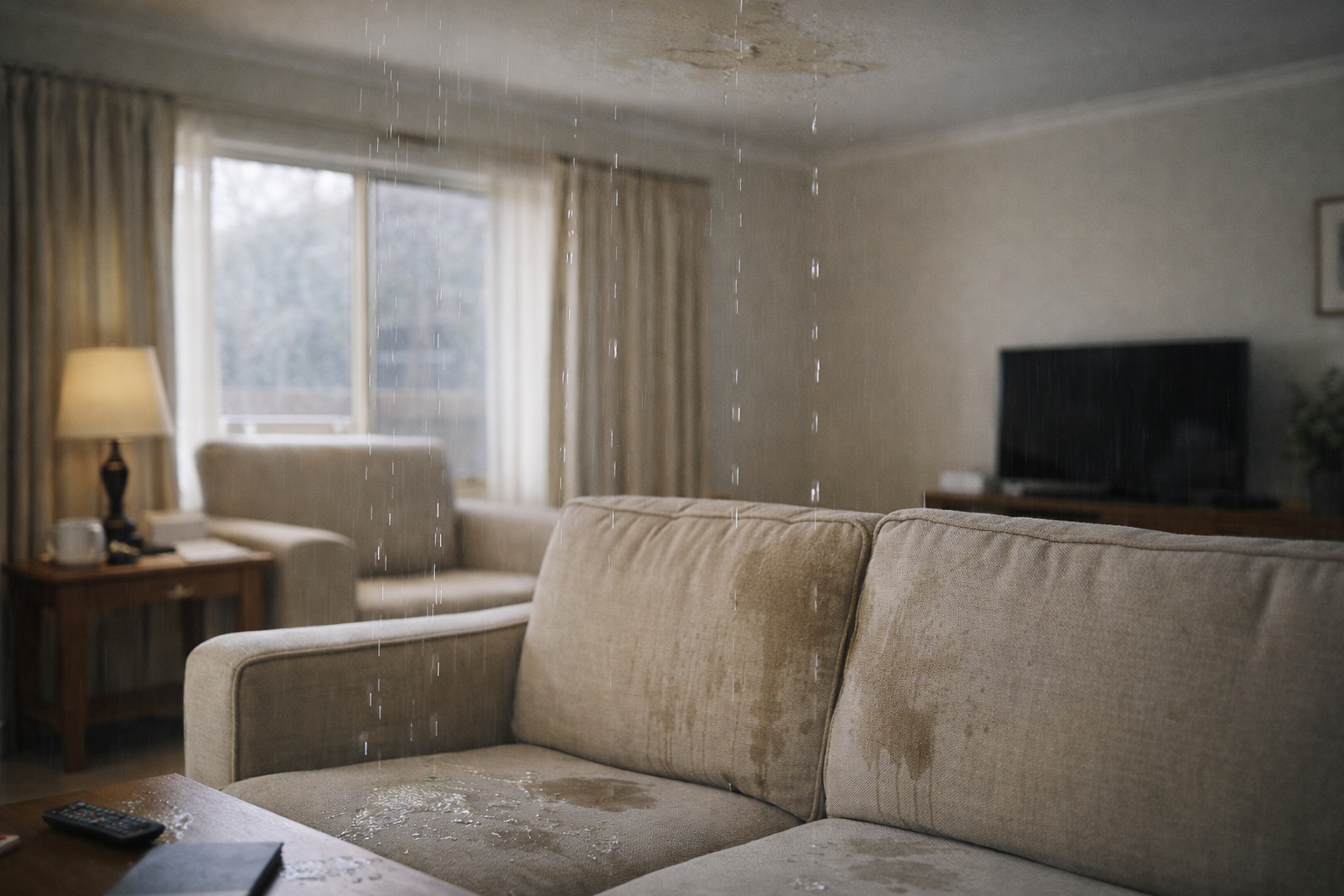
Delaying Sydney roof repair nearly always costs more because roofs fail in stages! What starts as “just a small leak” can quickly turn into soaked insulation, stained ceilings, swollen plasterboard, and warped timber. In Sydney, one decent downpour or a windy night is enough to turn a minor issue into major internal damage.
The biggest trap is thinking, “It is not that bad, I’ll just deal with it later.” Water is sneaky! It travels along rafters, down wall cavities, and into places you can’t see. By the time you spot the second stain, you might already have mould growth, rotting battens, or corrosion around fixings and flashing! And once water gets into the roof space, it can also reach your home’s wiring, posing a significant safety risk.
Waiting can also make the actual roof repair bigger. A loose tile can become a missing tile, and a lifted flashing can turn into torn flashing! If structural sections start to sag, you are no longer talking about a patch job. You are looking at carpentry, reinstatement work, and longer downtime. Quick action usually means less damage, less work and a much smaller bill. If you have a Sydney roof repair emergency, don’t wait around!
Emergency Roof Repairs vs Standard Roof Repairs
Many homeowners don’t understand the difference between emergency repairs and standard roof repairs, so let’s clear that up! Emergency roof repairs focus on stopping immediate damage and making the property safe. Standard roof repairs are planned fixes for issues that are annoying, but not actively causing harm right now. An emergency is water getting in, parts coming loose, or anything that could put people or the structure at risk. A standard repair is worn pointing, minor rust, a small cracked tile you spotted on a sunny day, or preventative maintenance you can book in for a later date.
The tricky part is that a standard issue can become an emergency! A single cracked tile might be fine for weeks, then one heavy Sydney downpour pushes water straight into the roof space. Slightly lifted flashing can hold on until a windy front hits, then suddenly you have a gaping entry point. Even small leaks can escalate fast because water travels and spreads, damaging insulation, ceilings, and timber before you know it!
So while you could put off standard Sydney roof repairs until later, a fast response can mean the difference between a simple repair and a major emergency roof project!
Choosing a Reliable Emergency Roof Repair Service in Sydney
When you need emergency roof repairs, the wrong choice can waste time and worsen the damage. A reliable emergency roofing provider should be able to get to you quickly, communicate clearly, and actually fix the problem, not just slap on a band-aid and disappear. Here is exactly what to look for when looking for emergency roof repair in Sydney:
Fast response times
In a roof emergency, hours matter, especially if rain is still coming. Look for a team that answers calls promptly, provides realistic ETAs, and offers genuine emergency call-outs.
Licensing and Insurance
A reputable provider should be properly licensed for roofing work and carry public liability insurance and workers’ compensation. That protects you if something goes wrong on site and helps ensure the work meets Australian standards.
Local Experience
Choose a company with local Sydney experience. Sydney roofs deal with coastal salt air, intense sun, sudden storm bursts, and strong winds, and different suburbs have different roof styles and common failure points. A local roofer is more likely to recognise the issue quickly and bring the right materials.
Range of Services
When choosing a Sydney roof repair team, you should look for one that can handle both temporary and permanent repairs. A good emergency roofer will secure the roof first to prevent immediate water entry, then schedule the proper repair to address the root cause. A company that can handle both saves you a lot of stress and money.
How To Prevent Future Roof Emergencies

The best way to avoid a roof emergency is to treat your roof like any other part of the house that needs upkeep! Most emergencies don’t come out of nowhere. They start as small, easy fixes that get ignored until the next big Sydney storm exposes them.
Regular roof inspections are your best friend! A quick check once or twice a year (and after severe weather) can help you spot cracked or slipping tiles, rusted sheets, lifted flashing, blocked valleys, and worn sealants before they let water in. If your roof is older, inspections matter even more, as ageing materials tend to fail suddenly in wind and heavy rain.
The next step is addressing small issues early. Replacing a couple of tiles, resealing flashing, or clearing debris from gutters and downpipes is far cheaper than repairing ceilings, insulation, and timber framing after a leak has spread. It also helps prevent mould, which can become a whole other headache!
Before storm season, do a basic prep: clean your gutters, trim overhanging branches, check for loose ridge caps or metal sheets, and make sure roof penetrations, such as vents, skylights, and whirlybirds, are properly sealed. If you are not confident in doing this yourself, you can book a professional pre-season inspection.
Proactive maintenance pays off in the long term with fewer surprises, a longer roof life, better weatherproofing, and lower repair costs.
Yes, roof emergencies can be stressful, but they are much easier to handle when you know what to look for and what to do first! If you think your roof has storm damage, an active leak, or signs of structural trouble, don’t just wait and hope it will sort itself out (spoiler alert: it won’t!) Responding quickly with Sydney roof repair can save you a lot of money and prevent bigger headaches inside your house.